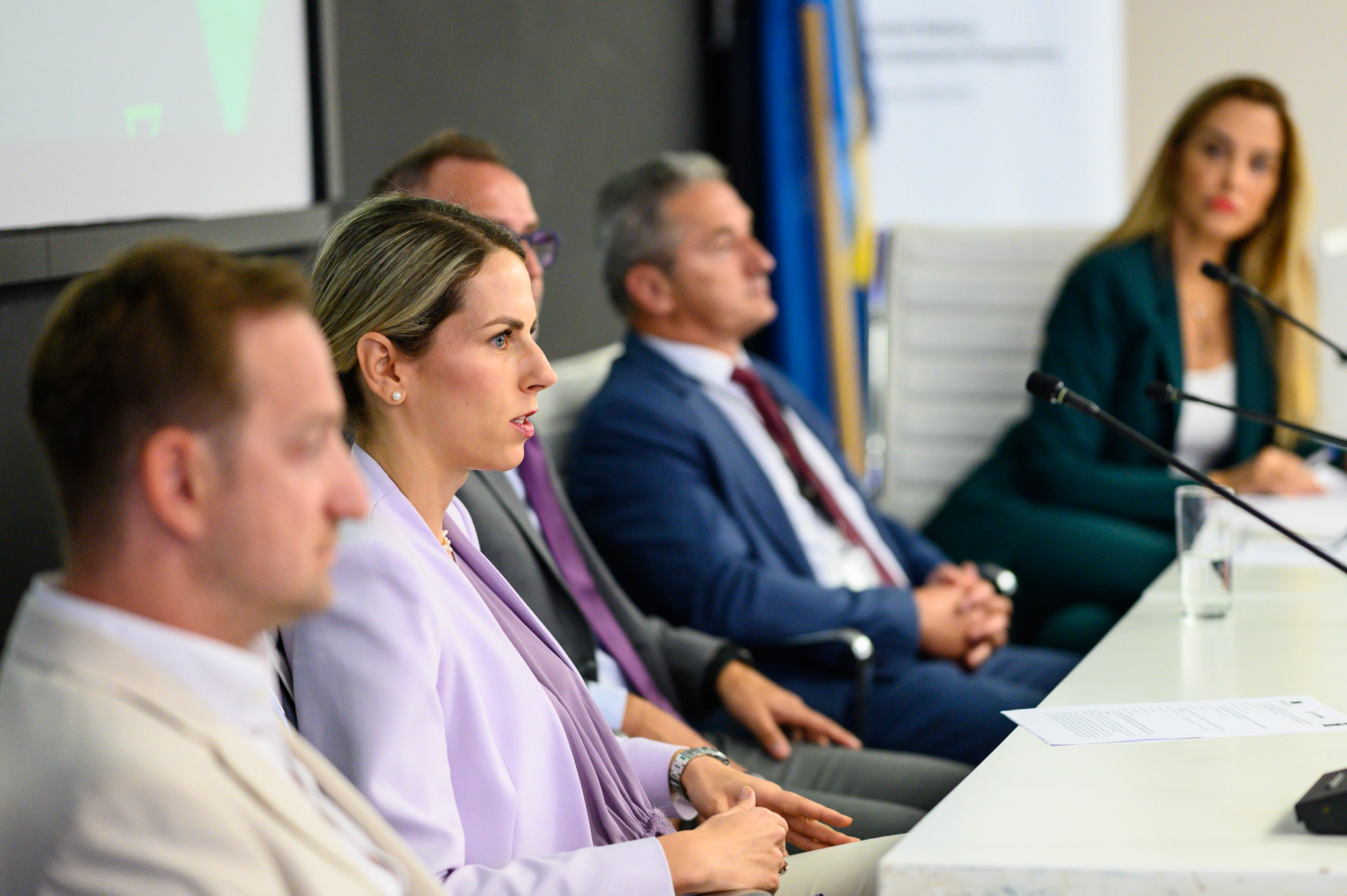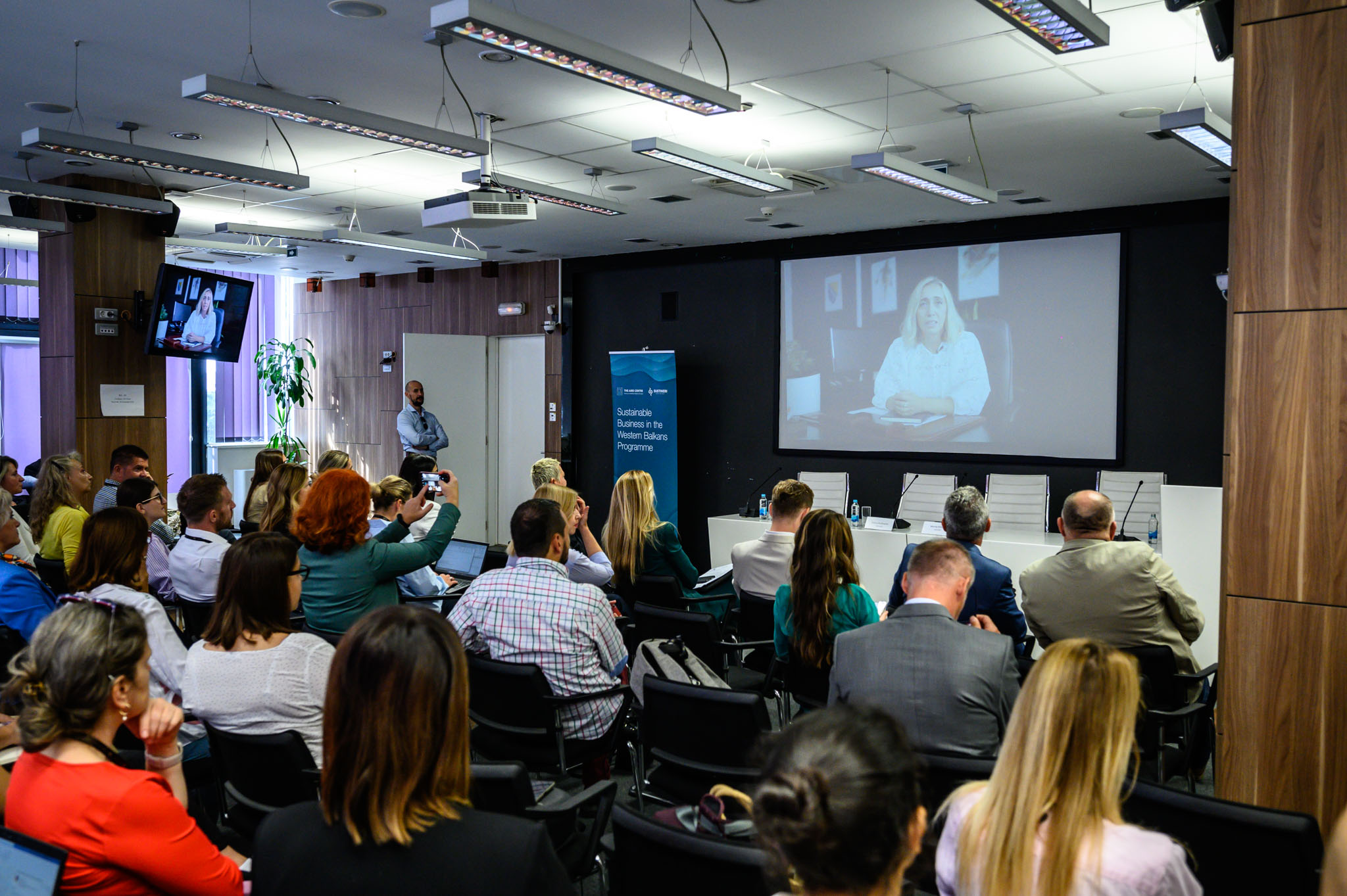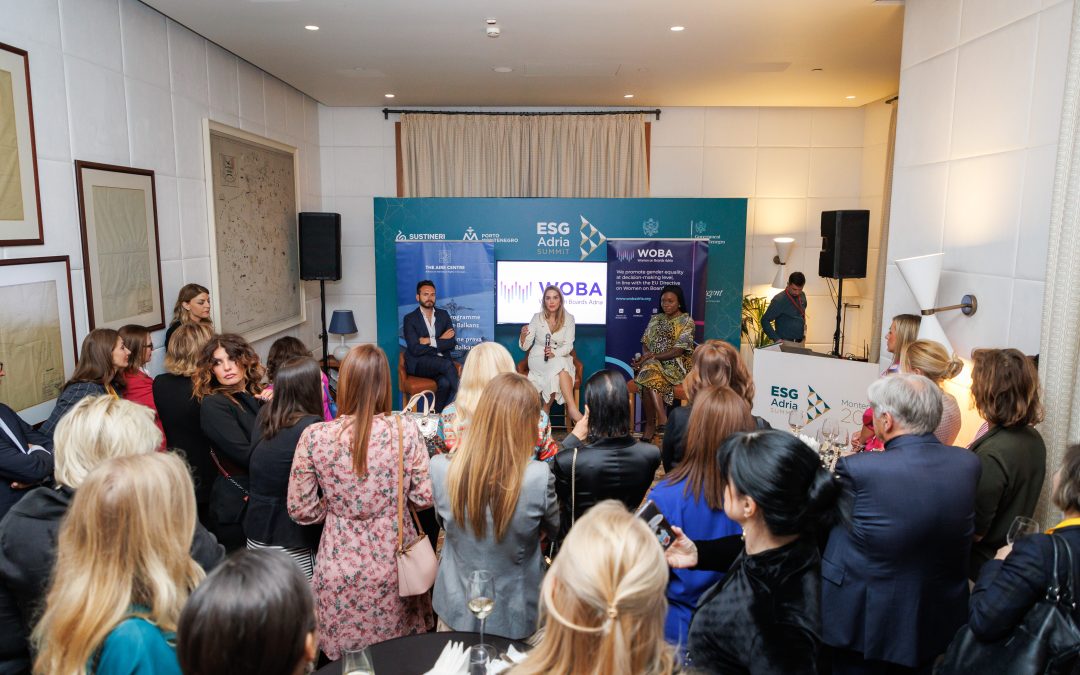
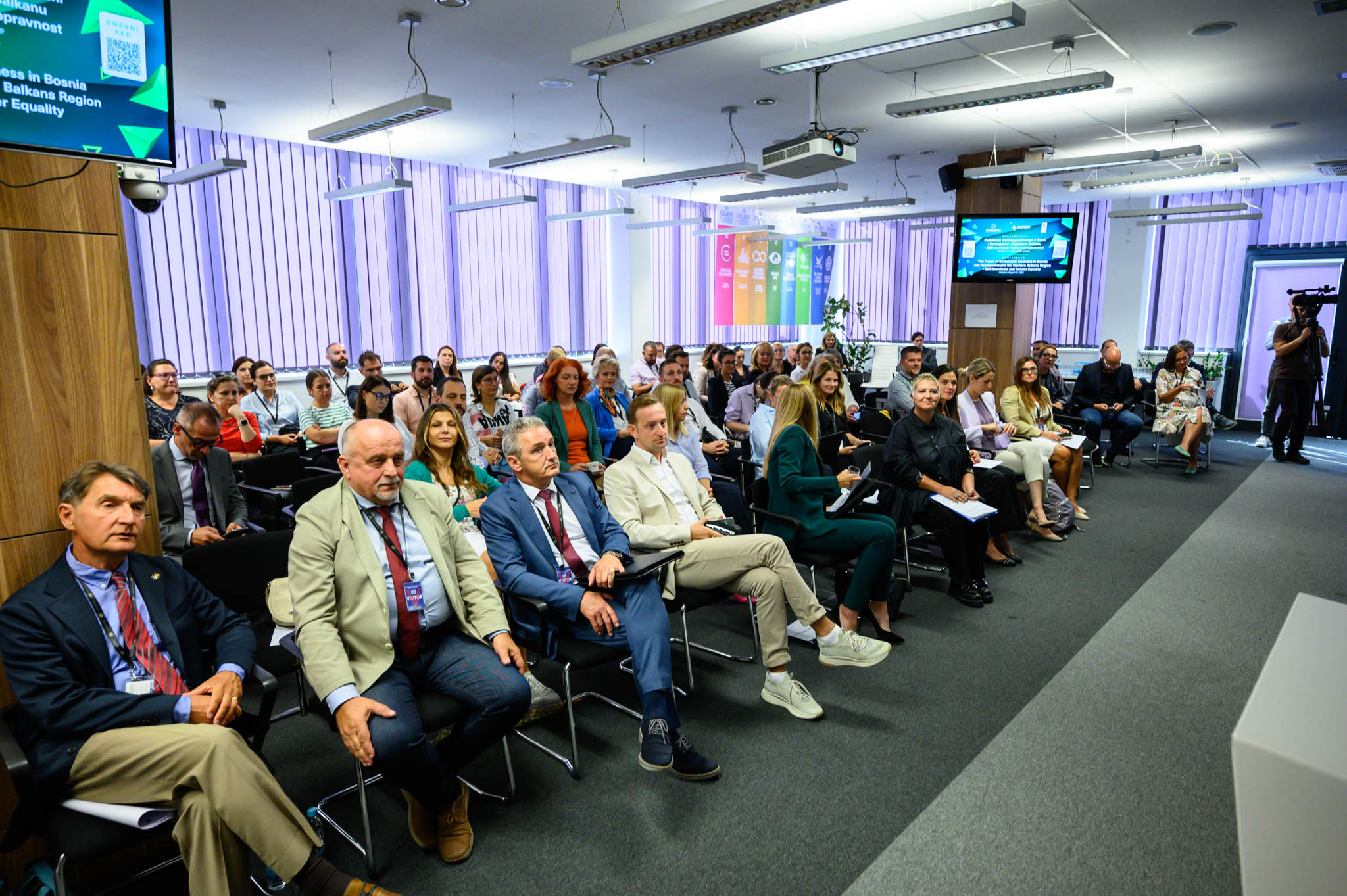
Integrating sustainable practices and goals into business strategies not only improves the impact on the environment and society, but can significantly enhance a company’s reputation and overall business success, it was concluded at the conference “The Future of Sustainable Business in Bosnia and Herzegovina and the Western Balkans — ESG Standards and Gender Equality”, organised in Sarajevo by AIRE Center Western Balkans Program, Sustineri Partners, and the United Nations Development Programme in Bosnia and Herzegovina (UNDP BiH). The conference brought together representatives from companies, government institutions, NGOs, international organisations, as well as experts and decision-makers from the country and beyond. Discussions at the conference revolved around the question of how sustainable development, as well as environmental, social, and governance (ESG) standards, and gender equality can improve business practices and operations.
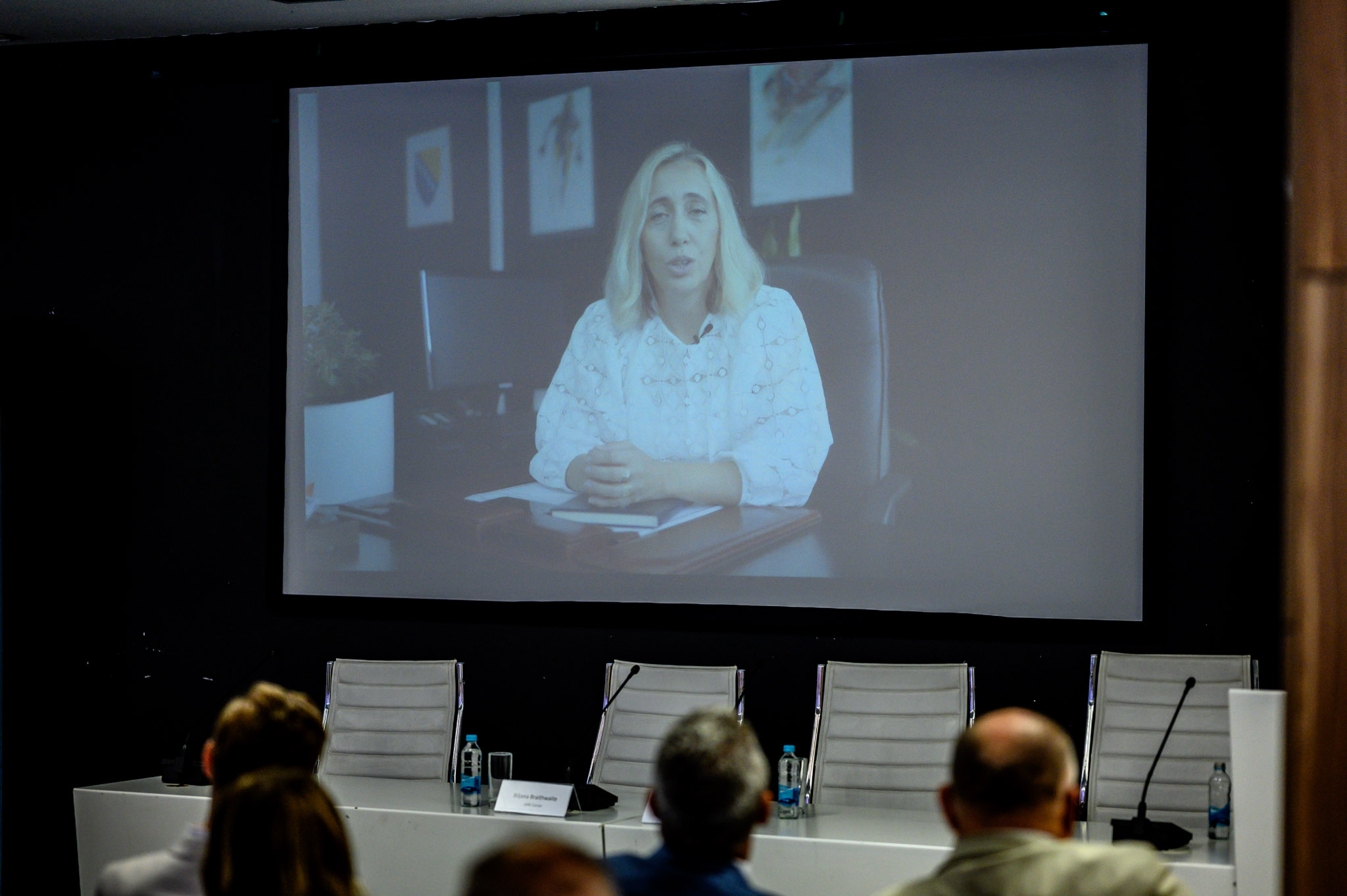
“What was once an incentive for companies to adopt practices that protect the environment and human rights has evolved into increasingly demanding, even obligatory, requirements imposed mainly by the global economy. Thus, the European Union, Bosnia and Herzegovina’s most significant economic partner, has enacted various legislations that mandate companies to adopt sustainable practices and report on them when engaging in business partnerships“, said Biljana Braithwaite, Western Balkans Program Director of AIRE Center and CEO of Sustineri Partners.
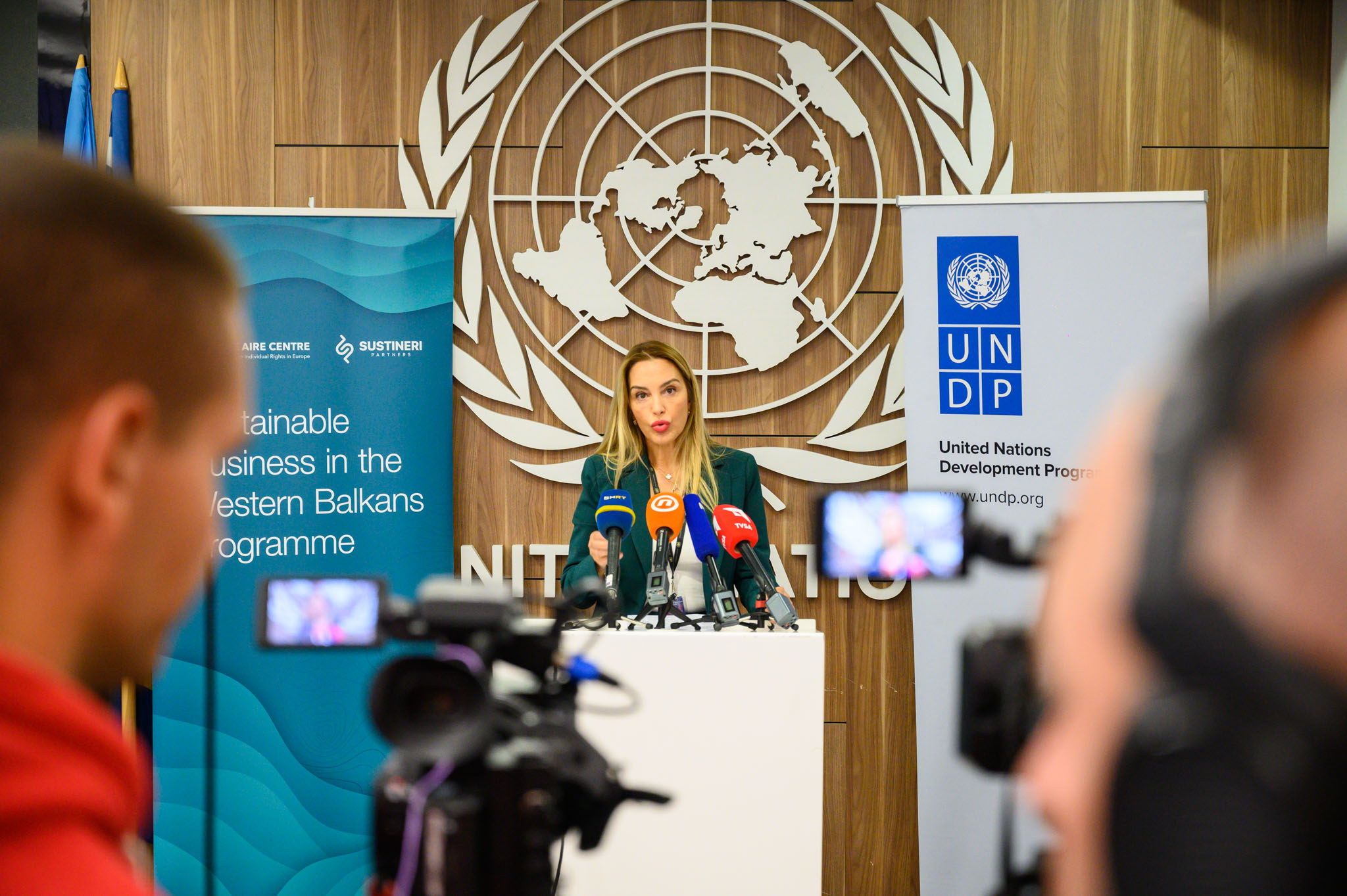
During the event, the ESG Handbook for Business, titled “Building a Sustainable Future”, was presented. This handbook contains crucial information about ESG standards and United Nations sustainable development goals, along with practical advice for implementation, quality assessment, and action plans that companies can utilise to enhance their business practices for better protection of human rights and the environment.
“Our research has shown that even though the legal framework and practices in Bosnia and Herzegovina lag behind these legislations, they undeniably represent the future of business in this country. Companies that fail to align with these new rules risk losing business partners, investors, and customers. For this reason, we have developed the ESG Business Handbook, which will assist companies in aligning their practices and reporting with global standards“, explained Braithwaite.
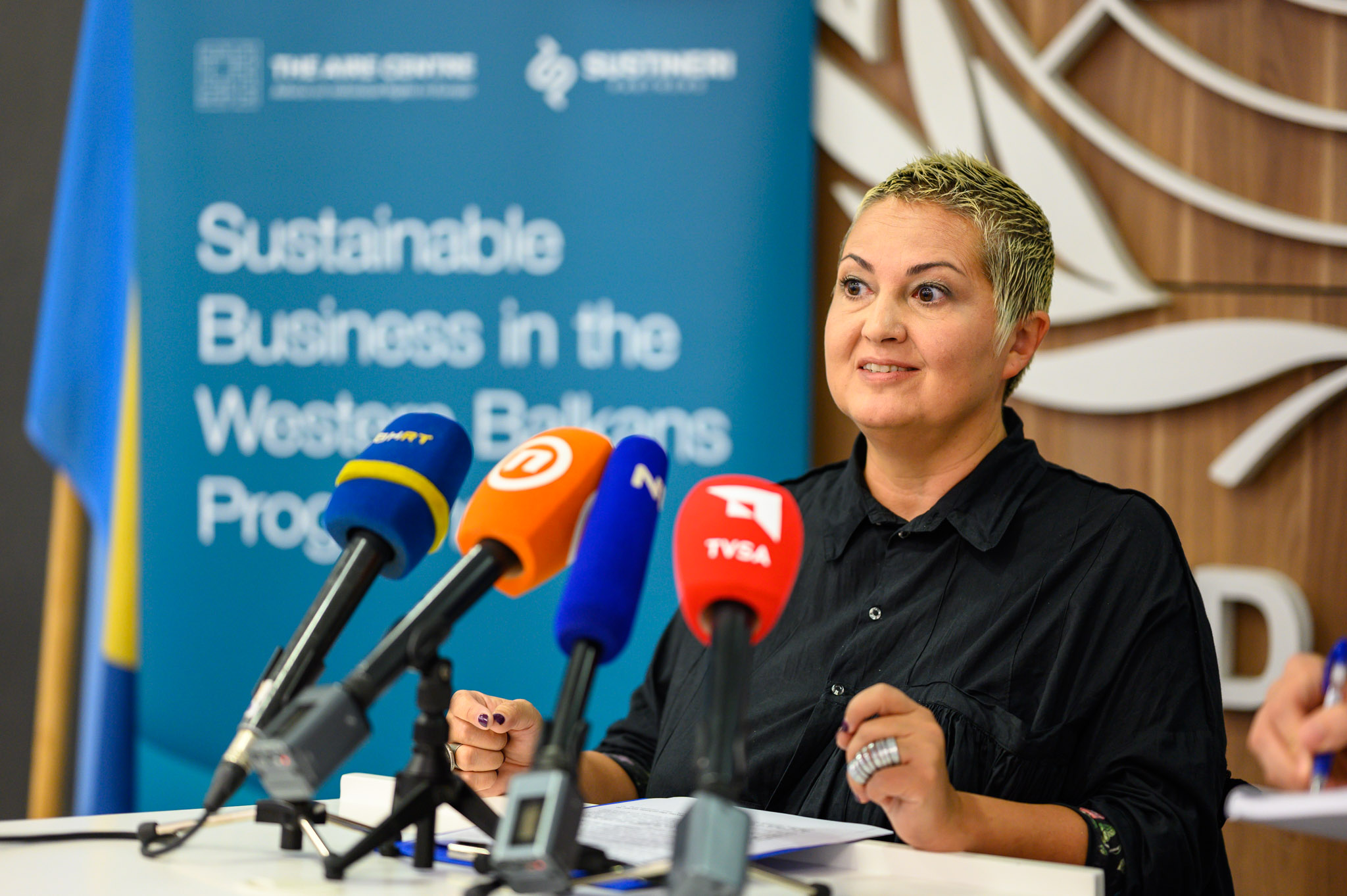
“Sustainable development, green transition, environmental conservation, sustainable finance, labour rights protection, innovation, and responsible management are highly relevant and crucial topics. For Bosnia and Herzegovina, the United Nations’ sustainable development goals and ESG standards hold great importance, especially for sectors like agriculture, forestry, tourism, and transportation that can contribute to preserving natural resources, protecting biodiversity, and mitigating the adverse impacts of climate change. This conference provides an excellent platform for dialogue between decision-makers and business leaders, particularly as our country’s economy navigates through challenging times. These topics are fundamental to the long-term economic prosperity and stability of Bosnia and Herzegovina and the entire Western Balkans region“, stated Nasiha Pozder, Minister of Environment and Tourism of the Federation of Bosnia and Herzegovina.
Gender Pay Gap in Bosnia and Herzegovina
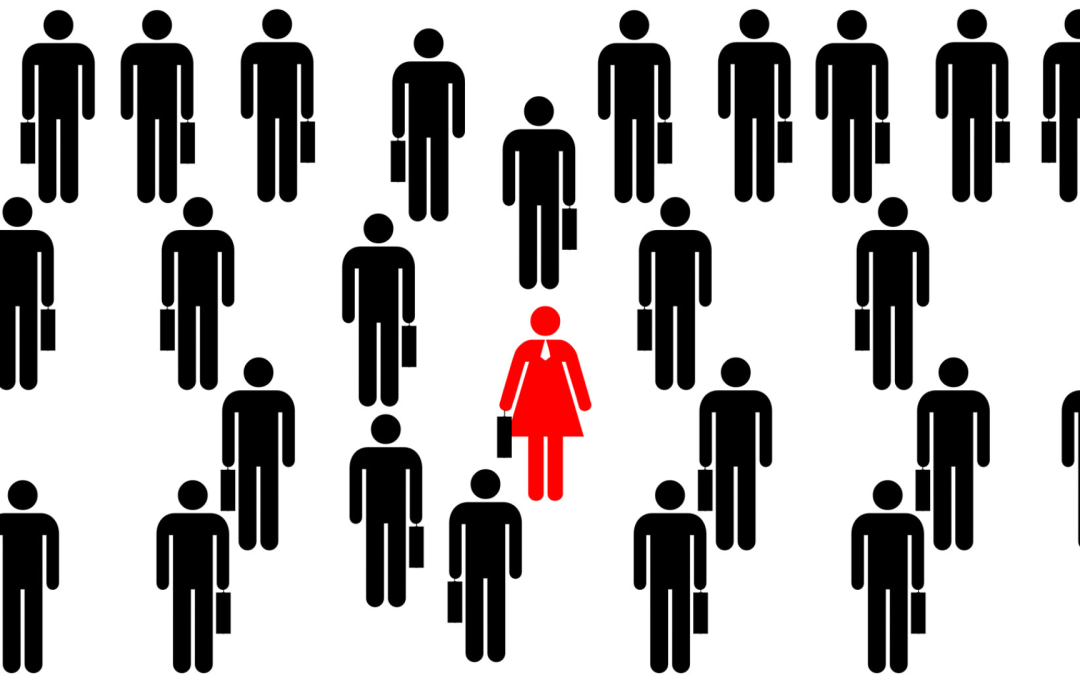
In the context of sustainability, increasing attention is being given to the relationship between companies and their employees. Women continue to face greater inequalities in workplaces, most evident in the gender pay gap. Research published in the publication “Unmasking Workplace Inequality in Bosnia and Herzegovina: A Comparative Analysis of Gender Pay Gap Reporting Mechanisms” highlights a range of systemic factors contributing to this disparity. Women have less access to resources compared to men, except in education, and are underrepresented in political and economic decision-making. This underrepresentation manifests in employment, career choices, land ownership, access to credit, financial and non-financial support, inadequate legal protection against gender-based discrimination in the labour market, and lack of social support services. As a result, the research primarily focuses on Bosnia and Herzegovina’s legislative framework governing gender equality, discrimination prohibition, and labour law to highlight the broader context of gender policy contributing to the gender pay gap in the country.
Despite being, on average, more educated, women are not equally valued in the business world. Women are significantly less represented in the BiH labour market, making up around 38% of the workforce in 2022. They work fewer hours in paid positions and perform more unpaid domestic labour compared to men. Furthermore, despite some progress in recent years, women remain underrepresented in managerial roles within BiH companies.
“Our research has revealed that women in Bosnia and Herzegovina earn only 53.7% of men’s income. To address this kind of inequality, we delved into the deeper, systemic factors influencing the gender pay gap, analysed international instruments, examined relevant Bosnian legislation, and studied salary transparency measures across Europe. Most importantly, our research provides clear recommendations for reducing the gender pay gap in Bosnia and Herzegovina, advocating for greater salary transparency and gender-sensitive human resource management“, said Marina Dimova, Acting Resident Representative of UNDP BiH.
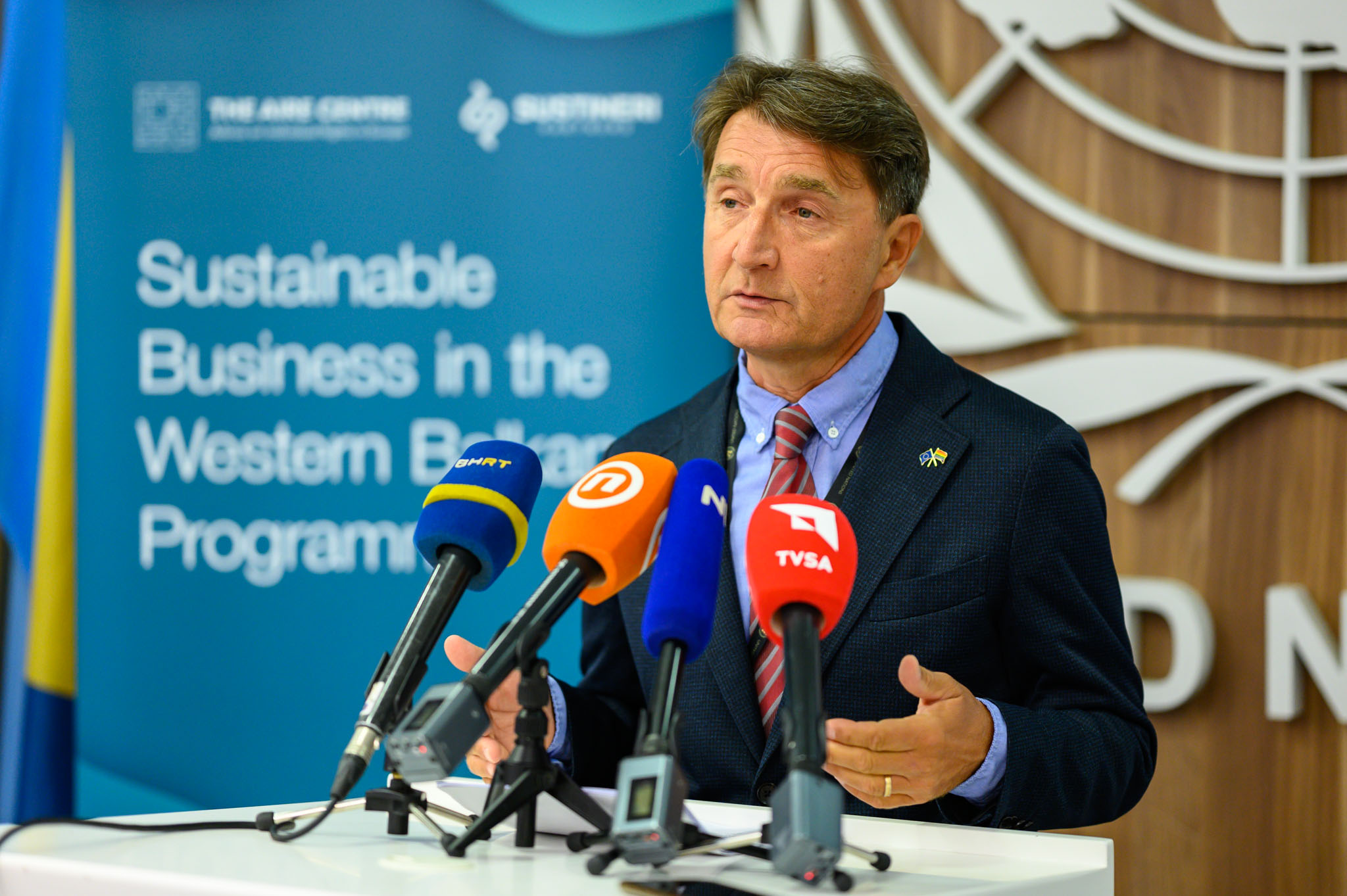
“The Fourth Gender Action Plan of Bosnia and Herzegovina for the period 2023-2027, currently in the adoption process, prioritises the fight against gender inequality in the realm of work and access to economic resources. This remains one of the most dominant forms of gender inequality in our society. A higher percentage of active, educated, and interested women must contribute to increasing female workforce participation and overcoming the gender pay gap“, said Saša Leskovac, Expert Advisor at the Gender Equality Agency of Bosnia and Herzegovina, Ministry of Human Rights and Refugees of Bosnia and Herzegovina.
“A comprehensive mechanism for collecting data on wage disparities is lacking in Bosnia and Herzegovina. The Gender Equality Agency of Bosnia and Herzegovina welcomes the publication of this study, which outlines a path for Bosnia and Herzegovina to regulate this area in the context of EU integration, ultimately aiming to promote gender equality in the economic sphere and society as a whole“, explained Leskovac.
An Example of Good Practice
Cement Factory Kakanj stands as one of the best examples of how enterprises can seize opportunities, address challenges, and become synonymous with sustainability. Cement Factory Kakanj has won Sustainable Business Leader Awards for two consecutive years for its contributions in the “People” and “Resources and Environment” categories. Today, it proudly mentors other companies dedicated to achieving sustainable development goals.
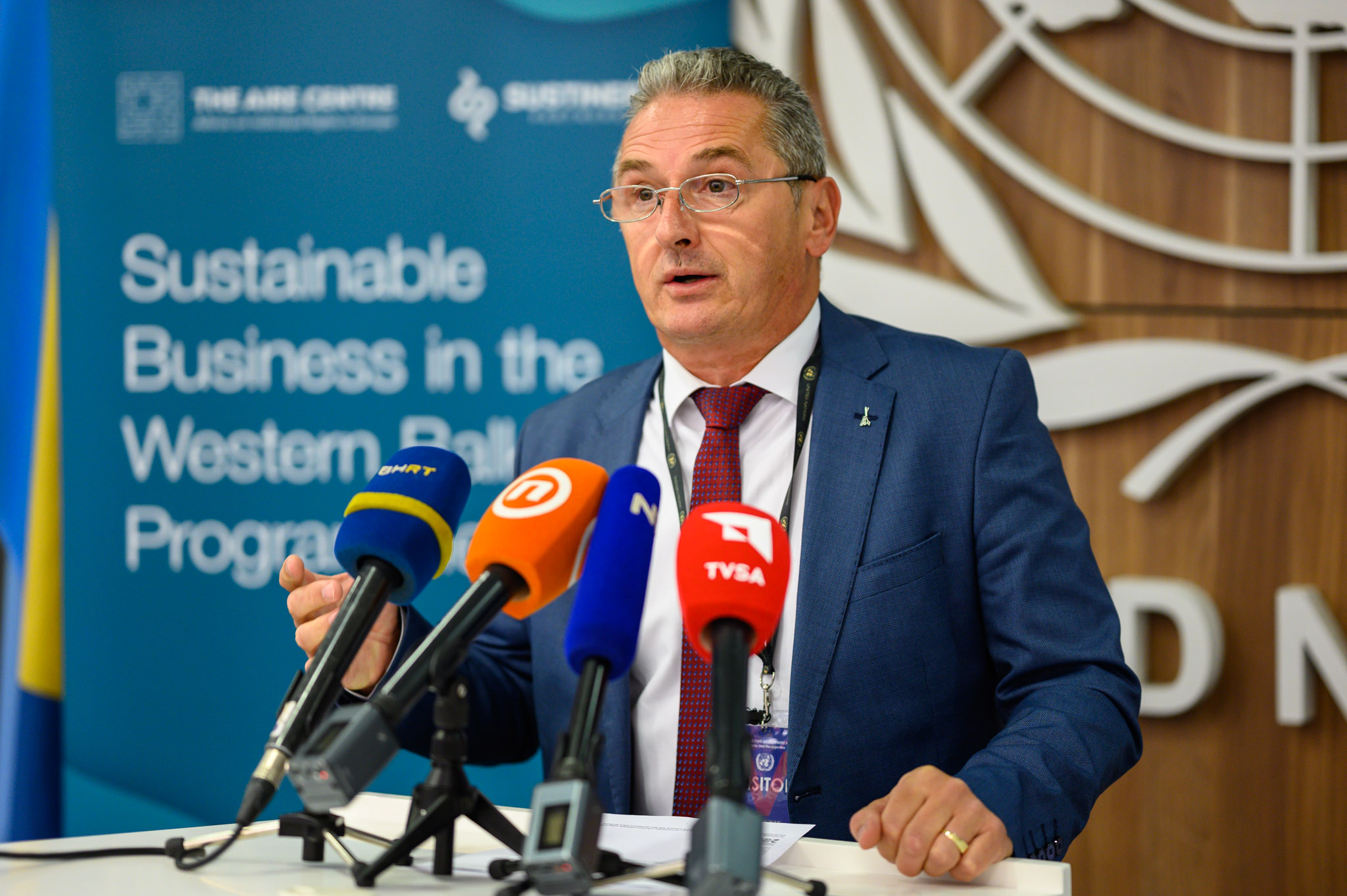
“Operating in an industry traditionally seen as an environmental polluter, Cement Factory Kakanj, with the support of its parent company Heidelberg Materials, strives to transform the cement sector by implementing ESG standards across every aspect of our operations. Driven by the UN’s sustainable development goals, we aim to responsibly use resources, reduce our carbon footprint, and preserve biodiversity. In these endeavours, we are further motivated by the support and trust we receive from our partners and customers who recognize the value of our sustainable practices“, said Almir Bajtarević, Specialist for ISO Standards and Environmental Protection at Cement Factory Kakanj.